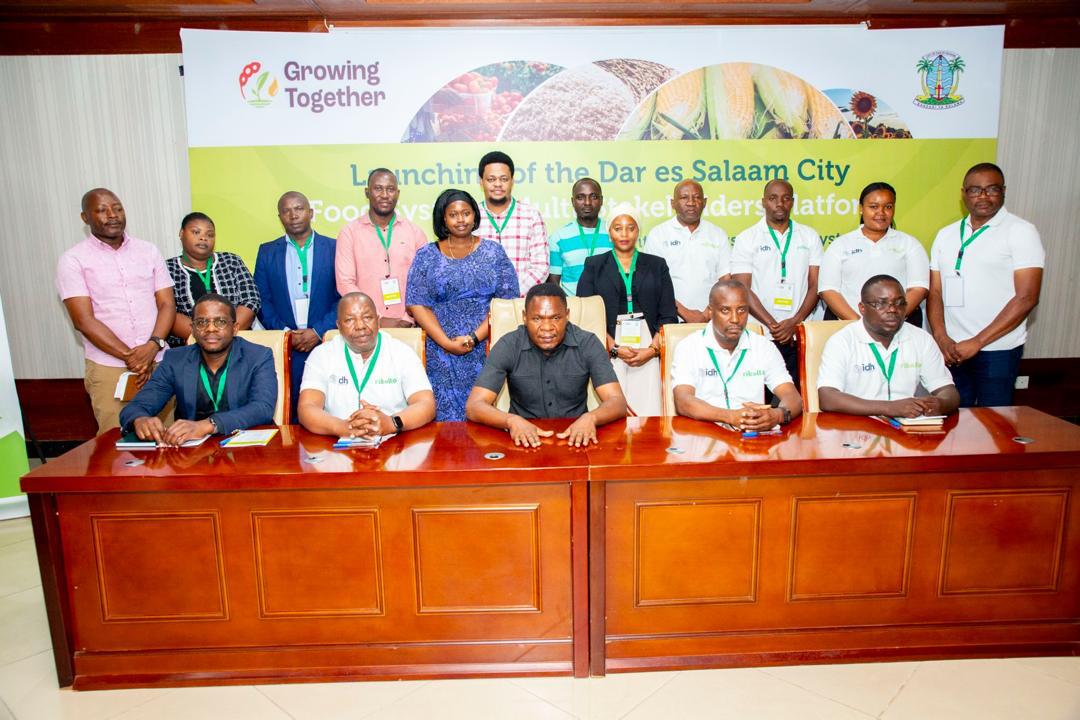
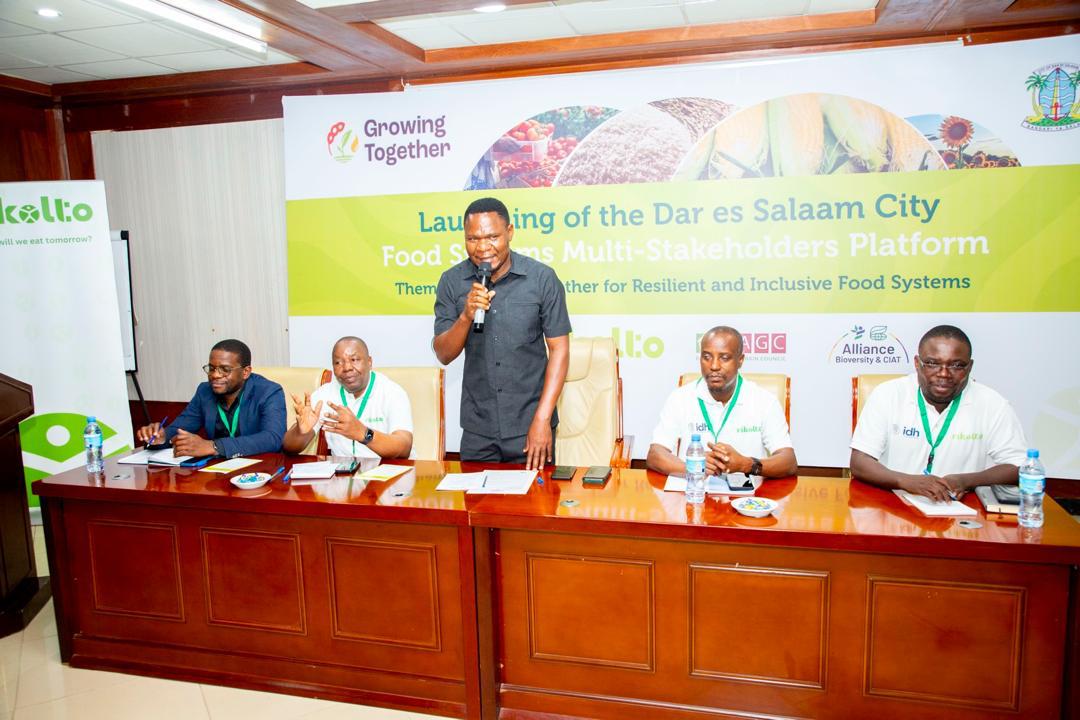
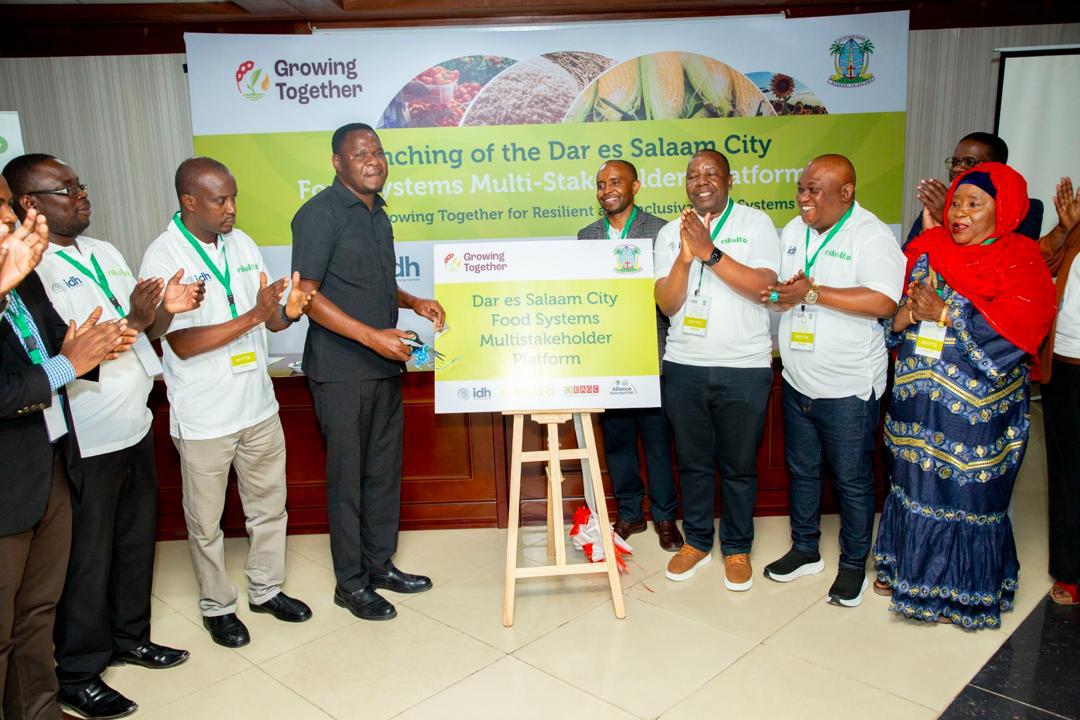
INCLU-CITIES Project: Building Inclusive, Green Urban Economies in
Tanzania
As one of the ground implementing partners of the SASA Project under the
INCLU-CITIES initiative, funded by the European Union and coordinated by
Rikolto, Flying Dream was entrusted with the implementation of the
Agribusiness
Cluster (ABC) Model in Tanga City. Our assignment centered on improving
access
to inclusive and sustainable business development services (BDS), enhancing
market participation for smallholder farmers, and increasing financial
inclusion, with a particular focus on empowering women and youth. Through a
participatory and systems-based approach, Flying Dream successfully
facilitated
the formation and operationalization of five horticultural agribusiness
clusters: Pongwe, Kange Mchicha, Amboni, Tongoni, and Tangasisi-Masiwani.
These
clusters brought together diverse actors including farmers, input providers,
processors, traders, financial institutions, and local government
representatives, all working collaboratively to unlock the full potential of
the
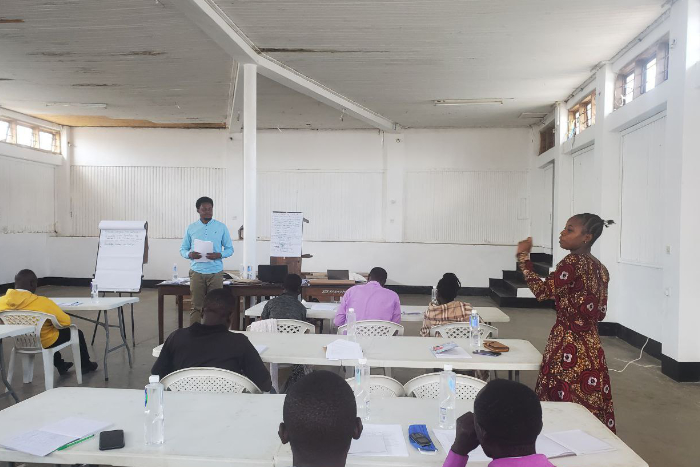
horticulture sector. Our team carried out in-depth value chain diagnostics
in
each cluster and engaged over 60 stakeholders in mapping out bottlenecks,
co-designing solutions, and identifying strategic growth opportunities for
each
locality. This led to the formation of 14 organized and registered farmer
business groups, now actively engaged in commercial production and trade.
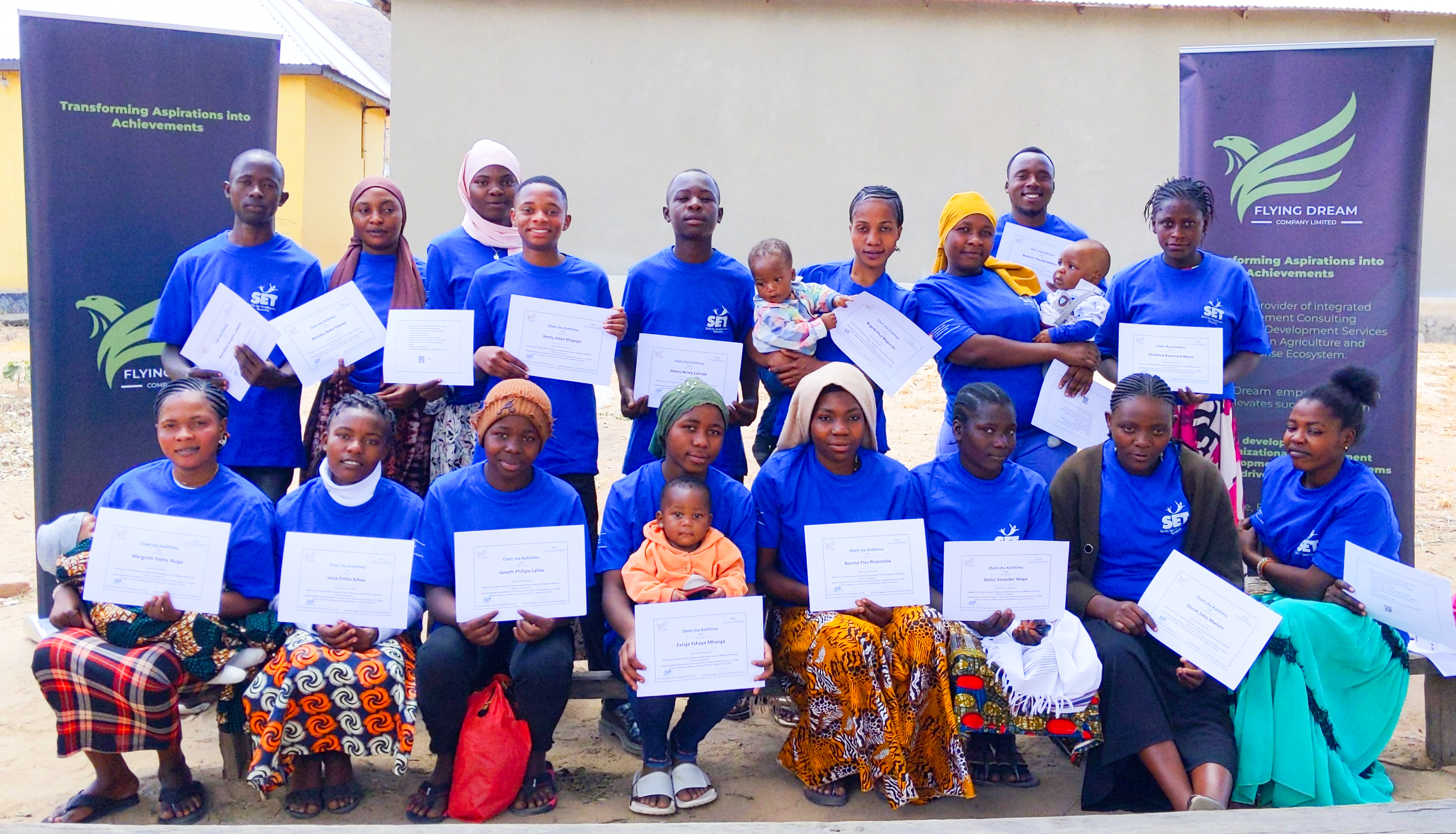
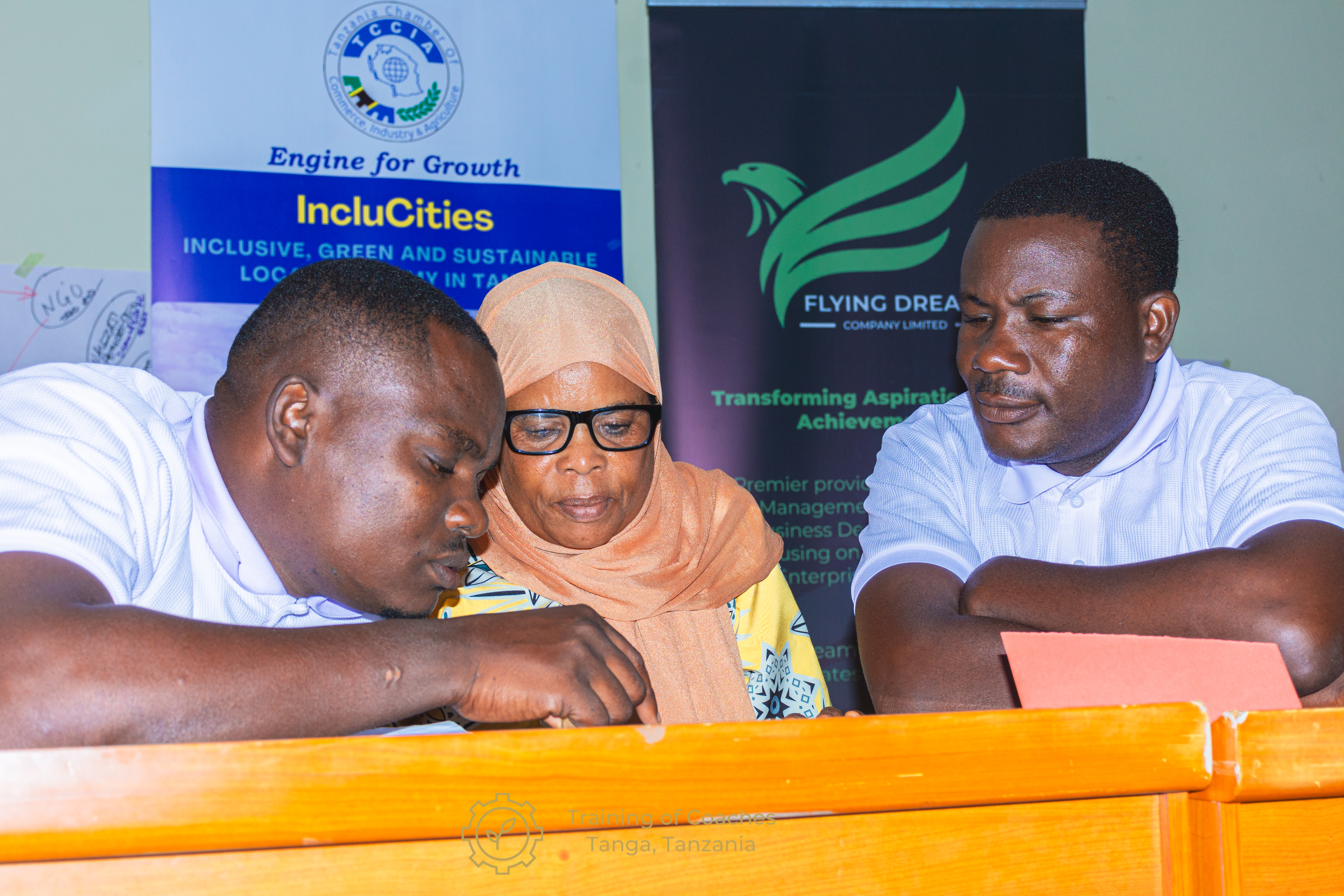
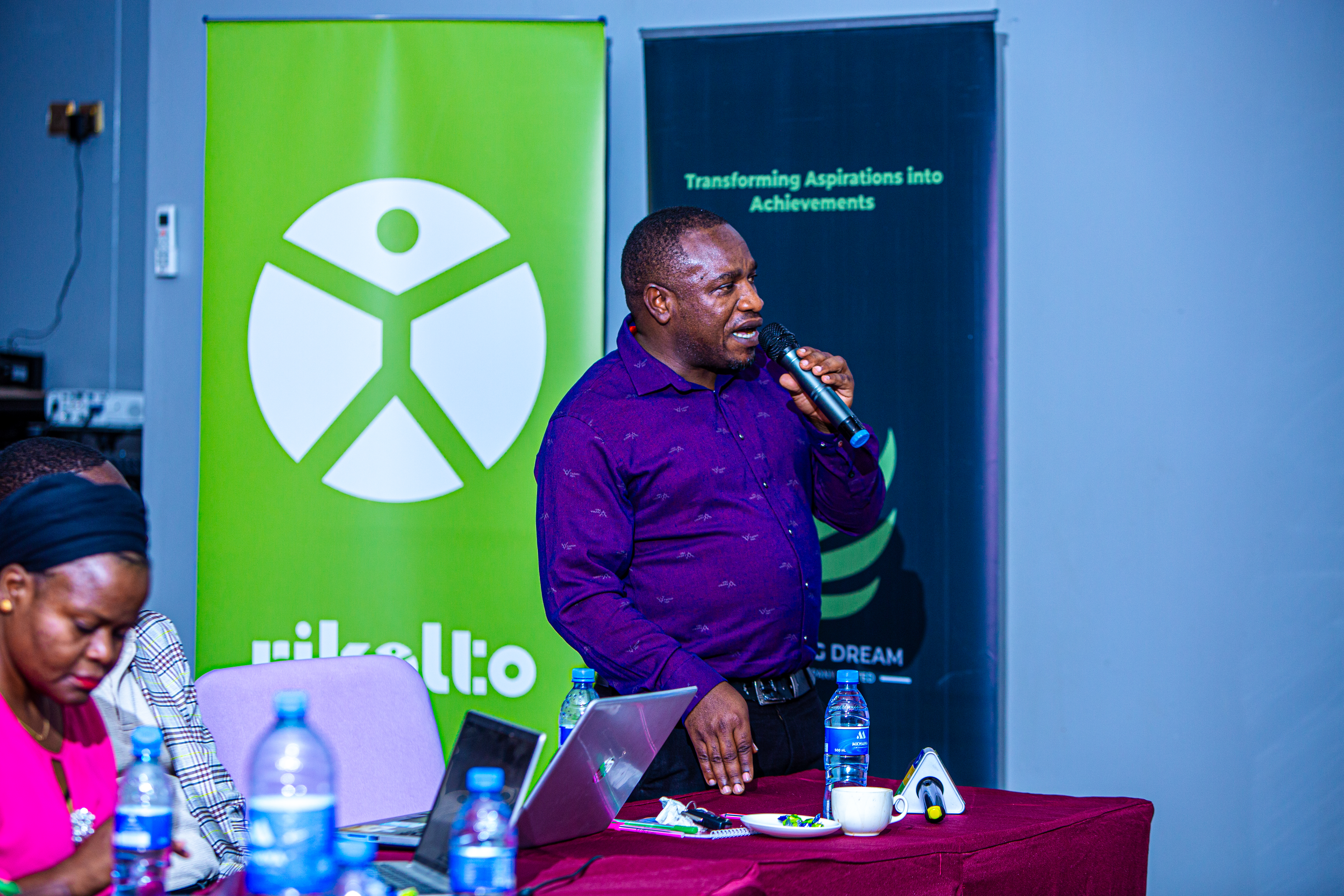
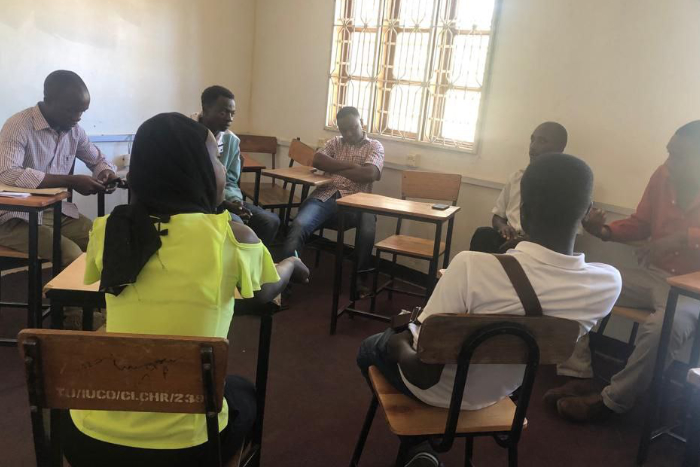
Flying
Dream Company played a central role in training and deploying ABC Coaches
community-based facilitators trained in negotiation, brokering, business
coaching, and stakeholder engagement. These coaches became critical in
driving
collaboration across the value chain, enabling farmers to connect more
efficiently with input suppliers, extension service providers, aggregators,
and
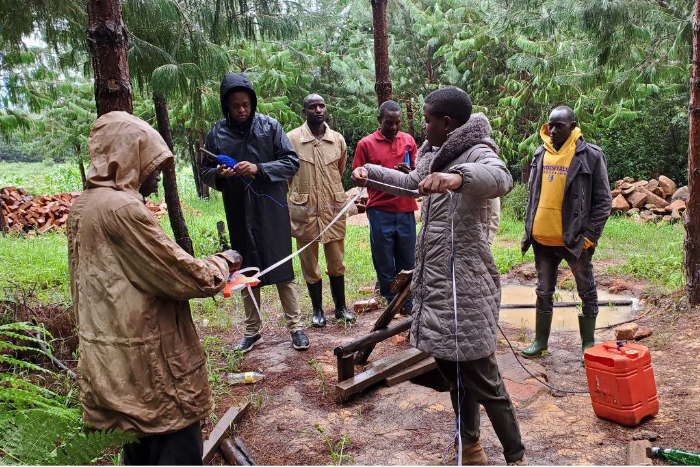
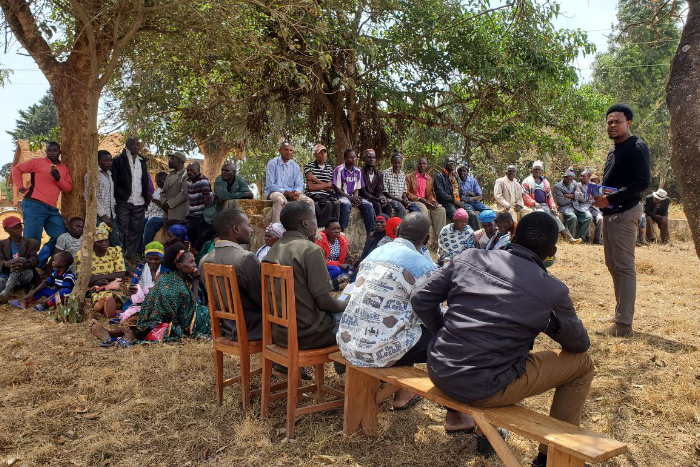
off-takers. The project supported the establishment of demonstration farms
in
each cluster, which served as learning hubs for good agricultural practices,
sustainable production techniques, and quality improvement. Through
continuous
coaching and technical support, farmers improved their productivity, reduced
post-harvest losses, and aligned production with market standards. One of
the
defining outcomes of Flying Dream’s work was the successful facilitation of
market linkages for crops such as tomato, leafy vegetables, chilli, and
watermelon. Farmers began to access new and structured markets in urban
Tanga,
Bagamoyo, and Zanzibar. Additionally, we championed financial inclusion by
strengthening the role of Village Savings and Loan Associations (VSLAs)
within
the clusters, offering farmers and especially youth and women, opportunities
to
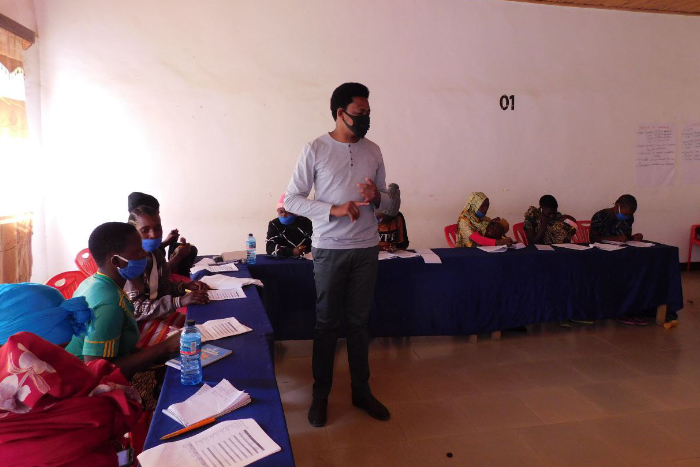
access capital for investment in farming operations. Our training in
enterprise
development, financial literacy, and business planning enabled many of these
farmer groups to qualify for loans and engage with local financial
institutions
with greater confidence and readiness. Flying Dream Company’s implementation
of
the ABC Model not only strengthened Tanga’s horticulture ecosystem but also
created a practical framework for inclusive agribusiness that is scalable
and
adaptable to other urban centers. We remain deeply committed to advancing
green,
sustainable, and market-responsive food systems across Tanzania. Through
this
initiative, Flying Dream has demonstrated how localized innovation,
inclusive
facilitation, and value chain integration can deliver real, long-term change
for
smallholder farmers, rural youth, and women-led agribusinesses.